On: Adapting

by Donnie Hayden

© 2014, all rights reserved
Guhday mates from Dahni,  Your Aussie Koala eucalyptus tree specialist
Guhday mates from Donnie, Your Aussie Koala eucalyptus tree specialist

I could have just as easily called this post, On: Gum Trees because, it is. And a Gum Tree is certainly easier to say than perhaps, an Eucalyptus Tree and I suppose it is, even though gum trees and eucalyptus trees are related and not to mention our cousin myrtle.

Let me see if I have this straight. Not every gum tree is an eucalyptus tree, but every eucalyptus tree is a gum tree? Huh? What? These trees are called gum trees and are classified as trees and shrubs which have smooth bark which exudes a lot of sap from any break in the bark. Hence, sap, sappy, gummy or gum.

As a Koala Bear, surely you would think that I am quite particularly partial to eucalyptus trees and especially since I dine on their delicious leaves! 🙂 But I am not the only one in Australia that loves the eucalypts” (as they are often called here down under) and not everyone loves them like I do!

The kookaburra sometimes sings from a Coolabah (a type of eucalypt), waltzing Maltilda often rests against one as does her swagman, just to mention a few. For more information about these names, terms and characters on this blog, see Waltzing MaltidaDamper and the Kookaburra song from Music Down Under.

By the way, the Coolabah is also the name of a certain style of a special Australian hat made by Akubra. I am hoping and waiting for a email that my size and color has bee found. I am anticipating a simple reference that reads: Found Hat – Bring Head! 🙂 If you are an Aussie reading this and you can help me locate one in black size 57 I will love you forever! 🙂
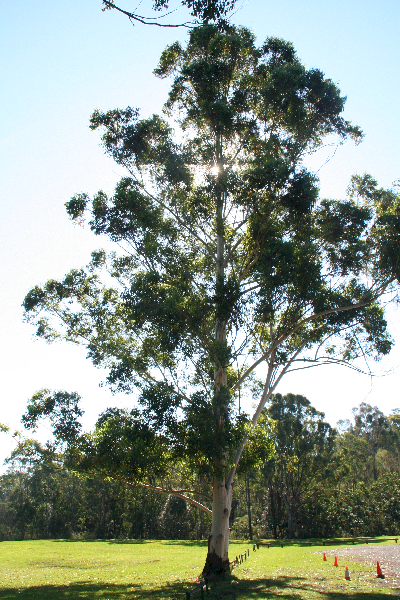
Long Straight and Tall

With the eucalyptus/gum/coolabah species of trees having so many varieties, it’s obvious that there are many of them in the country of Australia. Many of them grow really tall and grow mostly straight. They are excellent for timber and for telephone/utility poles. I have seen several in our neighborhood where one seems to be its natural color, another tinted green as a preservative I assume and another with saw cut beveled edges. Perhaps the differences may be understood by the dates when they were installed and methods that have evolved through the years

These are remarkable trees with little that bother them, but there are a few exceptions. There is one insect, Psyllids that leave behind  sugary secretions on the underside of the leaves they ingest. These sugary secretions are called Bell Lerps and attract some ants and the beautiful sounding birds called the, Bell Birds. Yes, this is exactly what they sound like! For more information see on this blog: Bell Birds
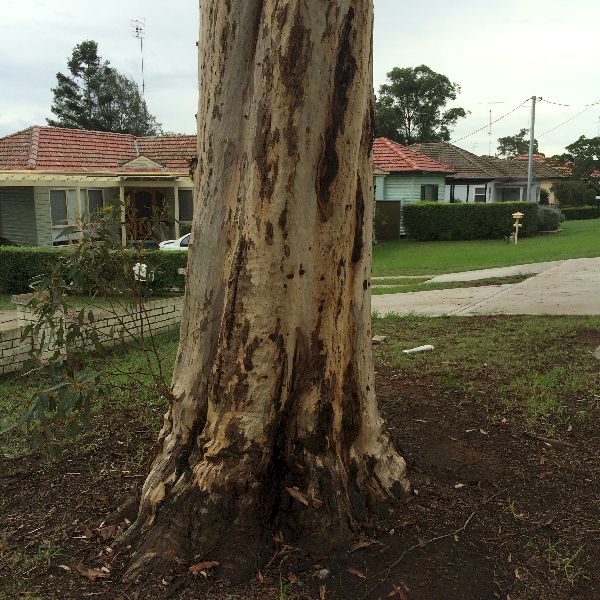
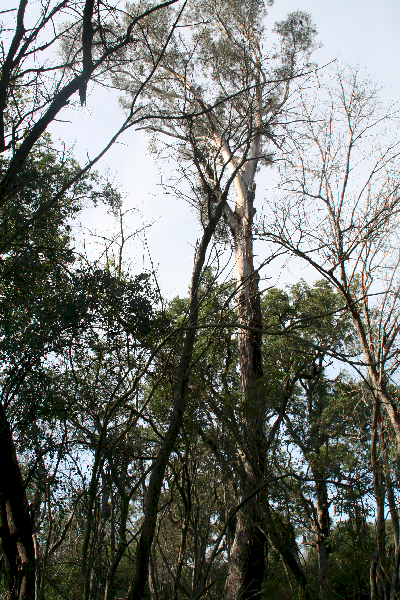
Closeup of a seemingly naked tree

There is a very rare type of eucalyptus known as the White Gum which is nearly extinct, but it is seen in and around Camden, New South Wales, Australia.

Many of these eucalyptus trees shed their bark annually. And here in Australia, the bark is just simply called, ‘fuel.’ The trees might look like they’re naked, but the bark will grow back.

In addition to the bark falling off in either strips or chucks (depending on the variety) sometimes, entire branches will fall off. The Aussies know this, but for us foreigners that do not, signs are sometimes placed near some of these trees, especially in the Australian summer (December to February) to alert and protect others from unexpected and sudden branches falling. These fallen branches are actually hollowed out from within by termites and yet the tree still survives.

The Aborigines, walking in the forest would tap on the appropriate size of fallen branches they were seeking, to determine the quality of sound it made. Some of these chosen fallen and hollow branches are suitable for the famous didgeridoo instruments, used in Australia. They are carved, and decorated by skilled craftsmen and artisans.

The Didgeridoo is quite possibly the oldest instrument in the world – and still one of the best. Forever associated with Aboriginal Music, the sound of Australia is now available everywhere and growing in popularity.
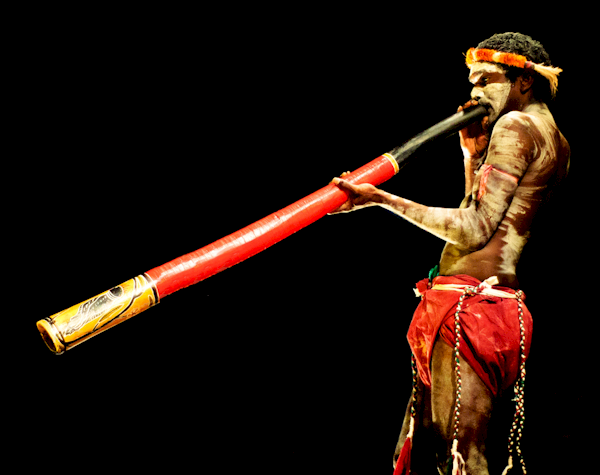
Aboriginal Man Playing a Didgeridoo Image edited & sized from: http://gallery.imagicity.com/vila-didgeridoo-player-1.jpg
Aboriginal Man Playing a Digeridoo

Modern Music with a Digeridoo, Xavier Rudd –  http://www.xavierrudd.com/

It is estimated that there are over 700 varieties of eucalyptus tree with just 15 of these outside of Australia, but of those 15, only nine are not found in Australia. I suppose you could say, we Aussies have cornered the world marketplace on eucalypts.

The tree looks dead, but it's not
The tree looks dead, but it’s not

Other uses of these amazing trees are: pulp, paper, charcoal, ornamental uses, as an antiseptic, disinfectants, dyes, insect repellents, mosquito repellents, cough drops, deodorizing, decongestants, toothpaste, sweets and bees from their flowers produce delicious honey.
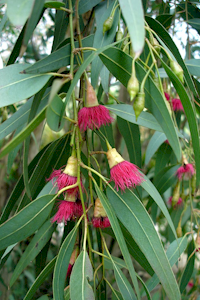
Image from Wikipedia - Eucalyptus leucoxylon var. ‘Rosea’ showing flowers and buds with operculum present
Image from Wikipedia –
Eucalyptus leucoxylon var. ‘Rosea’ showing flowers and buds with operculum present

They are fast growing and some trees, even if cut off from the roots, will grow back. Their roots dig deep into the earth and to some people, this water sucking tree is a good thing, as it helps to reduce the spread of malaria from stagnant pools of water the roots will just suck dry. To others, these sponge-like trees steal the water from everything else that needs it.

Due to the depth its roots reach in the earth, they are often called – prospectors, gold prospectors. Yes, you read that correctly, gold! They will actually transfer some all the way into its leaves. These gold-leaf-nugget-clusters may not be worth collecting, but they can sure tell one that this tree, where the gold may be found in its leaves, could be sitting on a fortune below its roots in a huge vein of gold!!!! 🙂

Some believe these trees are not so great as they are a fire hazard. Much of the time, Australia can be quite arid and dry, even though humidity, for example,  just yesterday was at 98%. Bush fires have spread and burned perhaps, 1000’s and 1,000’s of acres. And the eucalyptus does not endear itself to many, when it contributes greatly to these consuming fires, since it sheds its bark and drops branches – adding fuel to the fires. But how quickly whole forests grow back and how fertile the soil, after a fire, is amazing. Despite how anyone may feel about these trees (favorably or unfavorably) they have most likely been here a whole lot longer than people have. And the most amazing thing to me about these trees and the purpose of this post is, their ability to adapt.
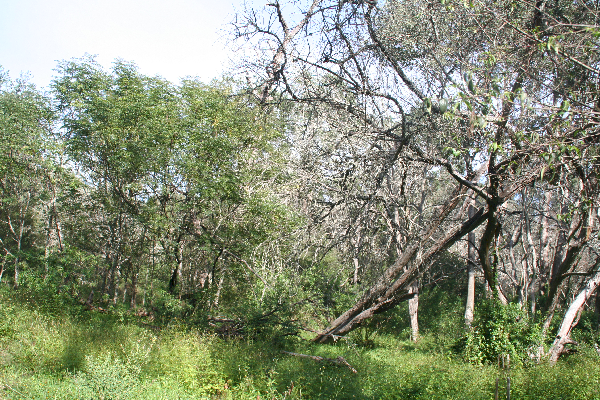
A small local forest as it might have looked a hundred years ago
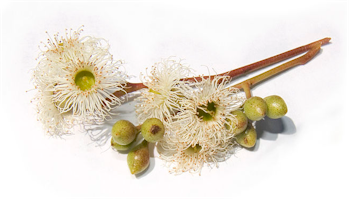
Image from Wikipedia - Eucalyptus melliodora, showing flowers and opercula
Image from Wikipedia –
Eucalyptus melliodora, showing flowers and opercula

To continue life, life most reproduce itself. It is no different for these trees. They grow, flower and are pollinated by bees. They produce fertile seeds and many are as hard as, little green rocks. The trees drop bark which is like surrounding their trunks with kindling to  attract fire!

Its bark, sap and leaves are full of volatile chemicals. The Blue Mountains (which we will be visiting this weekend) is so-named because of, a blue-like haze from the tree-leave combustible chemicals in the air. It’s like these trees are waiting for and setting up conditions for a lightening strike to start the fires that will destroy them.

But here is the conclusion of the seemingly purposed set-up of its own destruction and continuation. There are two dominant theories on this. Some believe those hard as rock seeds will not open unless there is a fire. Others believe that they will only open when the soot mixes with water, after a fire Whatever is factually accurate the truth is, these trees continue their species through FIRE and they seem to try and bring the fires!!!!
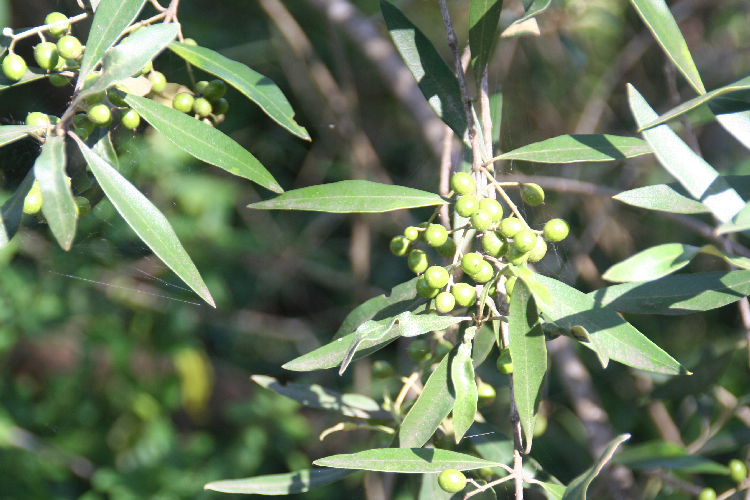
Seeds will only open to either fire or soot mixed with water

On: The Camden Show

by Donnie Hayden

© 2014, all rights reserved

Guhday mates from Dahni,  Your Aussie Koala Camden Show guide
Guhday mates from Donnie, Your Aussie Koala Camden Show guide

Well the Camden Show. Where do I begin? The Show was held April 4th and 5th, 2014 in Camden, New South Wales, Australia. I probably took close to 300 pictures and with the exception of perhaps a small handful, I’m pretty happy with the rest of them. Choosing which ones to share and sizing them (down) has been quite time consuming. But I had the time.

Thus far during our stay here, it seems we have some activity on one day, followed by a day of rest. This has worked out very nicely for me. I’m not sure what factor or factors may be involved (my age, physical condition, the high humidity, intense sun or all of the above), but walking a lot and the activities have pretty much left me spent the following day. Adjusting to the time zone and/or jet lag may have made their contribution to my tiredness as well? But nothing hurts, I feel great and enjoy the walking just like we did much of it in Japan too. Days have been really pleasant. The temperature rose during our visit to the show, but was cooled off by the weather-predicted rain or actually, the downpour. It was nice, fun and funny. We were all able to duck into a large tent of interesting demonstrations and wait out the rain.

Well anyway, back to pictures. I have chosen 50, yes 50. That may seem like a lot and they are not because I believe they are such great shots that I want to share them with you, but because they reflect the wonderful Camden Show. It is very similar to any county fair you may have ever been to, but still different. So I will just start with pictures and some text and some captions and see how it goes. Perhaps it will end up with more posts about the show? Here we go.

Lady in a lovely 1960's style dress
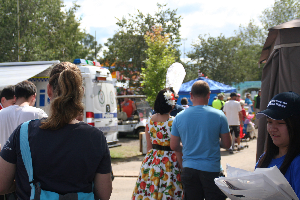
Lady in a lovely 1960’s style dress as we walked in
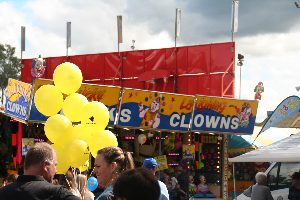
Balloons and colors
Balloons and colors
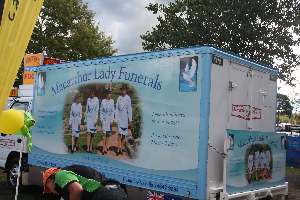
Interesting
Interesting – Lady Funerals?
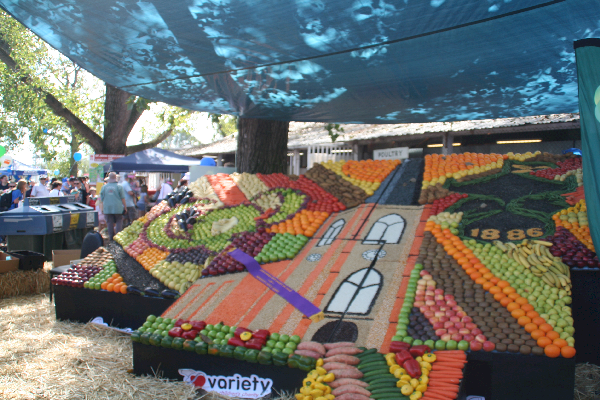
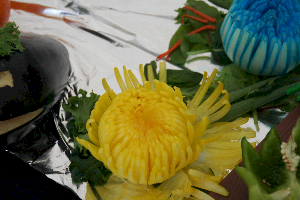
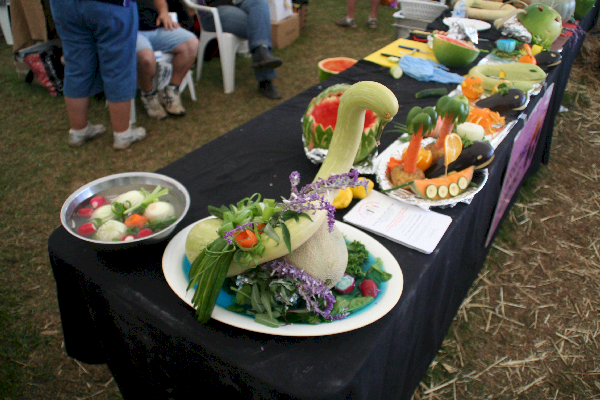
Beautiful display made from fruits, vegetables and seed
Beautiful display all made from fruits, vegetables and seeds
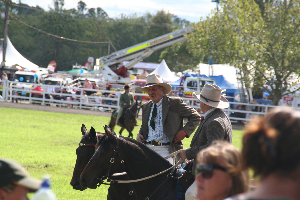
horse and riders nicely dressed and groomed
Horse and Riders nicely dressed and groomed
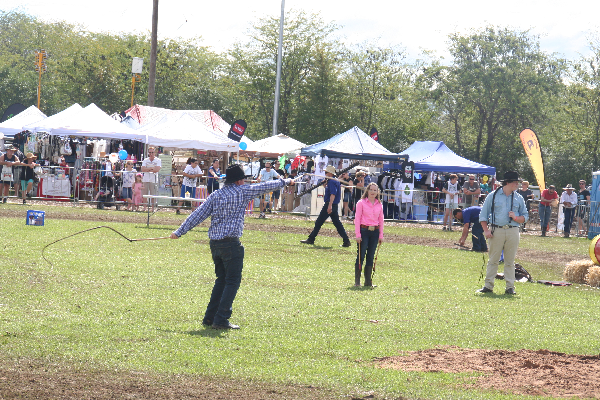
Whip cracking
Whip cracking
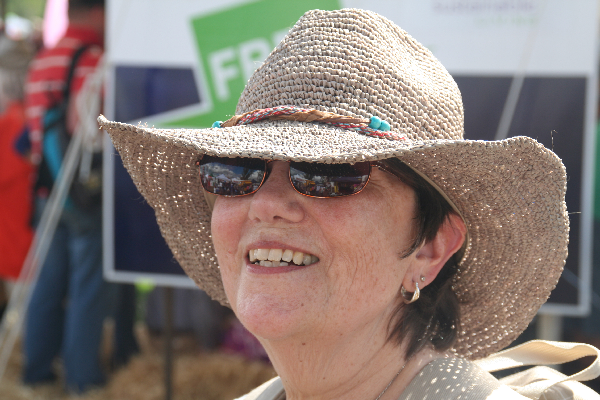
Susan's New Aussie Hat
Susan’s New Aussie Hat
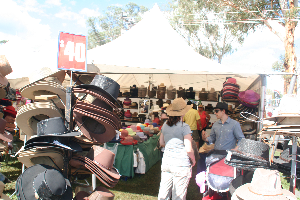
Aussie Hats
Aussie Hats
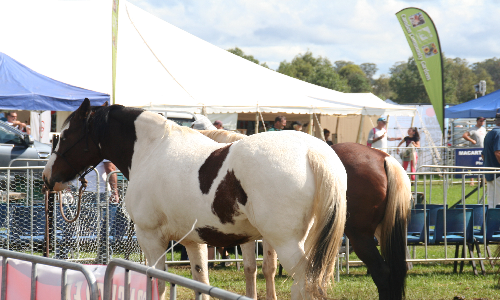
Painted Pony
Painted Pony. Do you see the silhouette of the head of a horse on its side?
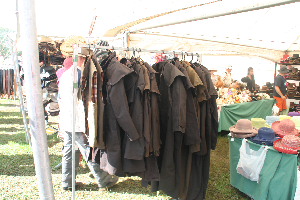
Aussie Coats - lanolin/bees wax coated
Aussie Coats – lanolin/bees wax coated


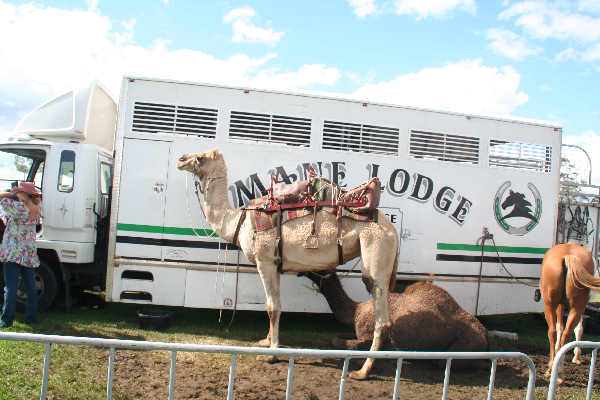
Well yes, camels. We missed the camel race, pooh. :(
Well yes, camels! We missed the camel race, pooh. 😦


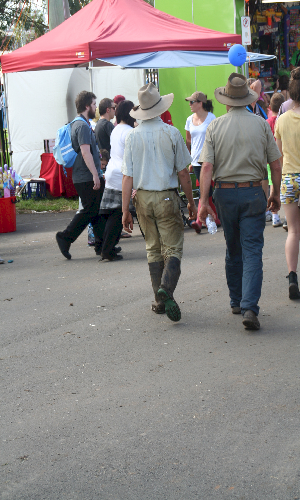
Authentic Aussie Wear Wearers :)
Authentic Aussie Wear Wearers 🙂
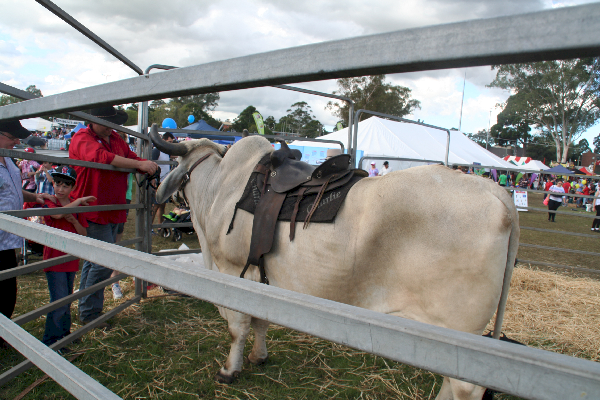
Brahma Bull Yeh hah mates!
Brahma Bull Yee hah mates I mean partners! 🙂
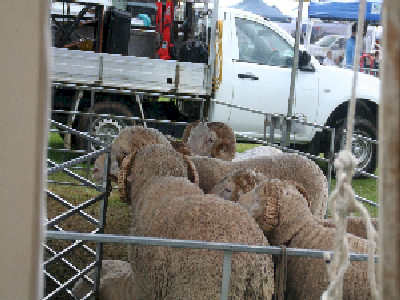
Some baaad Sheepies :)
Some baaaaad Sheepies 🙂
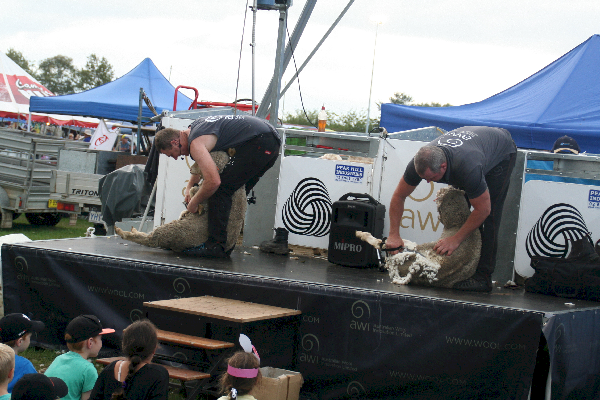
Camden42
Sheep Shearers Shearing Sheep 🙂
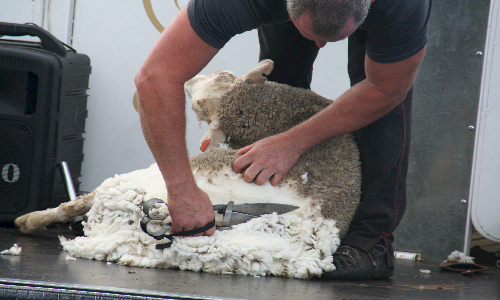
Close Shave Sheep Shearer!
Beary Cute
Beary Cute
Camden26
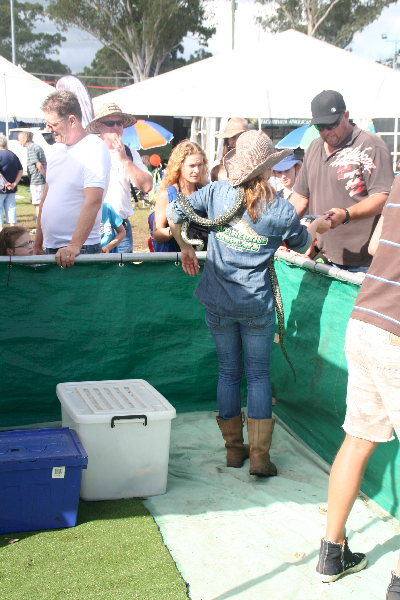
Aussie Snake Woman
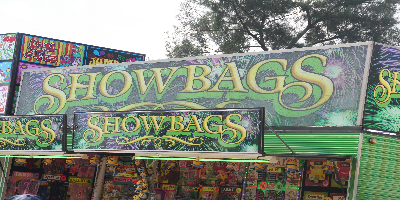
Buy what you want and put it in a show bag


Show bag shops were everywhere. Very decorative and artistic billboards. You find the stuff you want for a certain price and then put it all in a show bag. There were many of these vendor/shop/kiosks. Very popular with the youts (youths). 🙂

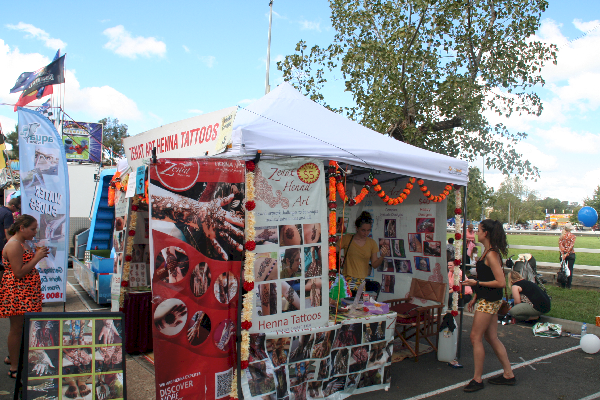
Henna Tattoos anyone?
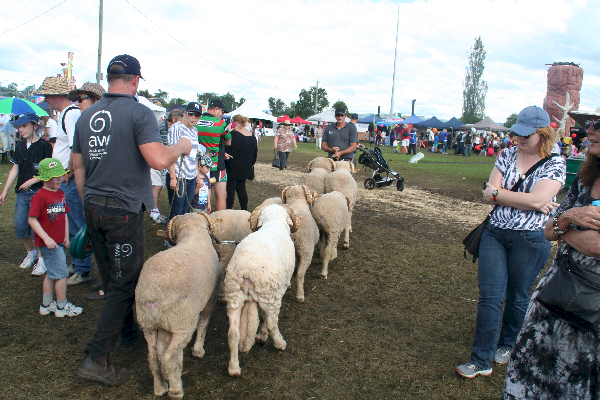
There the sheep again heading for shearing
There go the sheep again, heading for their sheep shearing
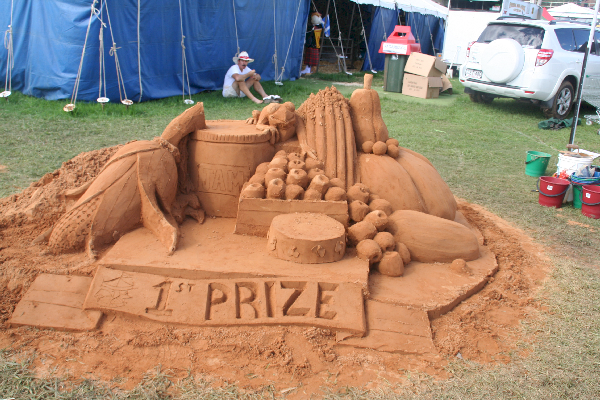
Sand Sculpture First Prize. WOW did the artist have intuition or what?
Sand Sculpture First Prize. WOW, did the artists know they would win?
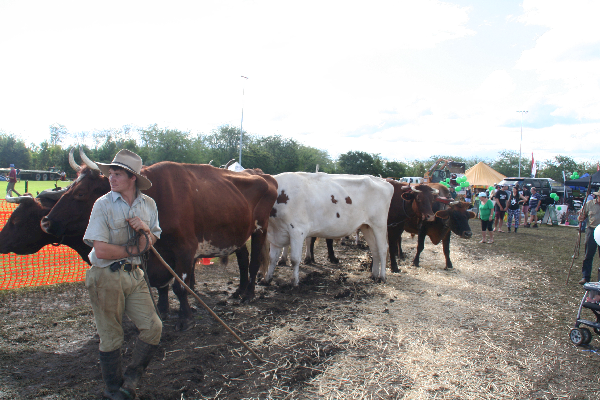
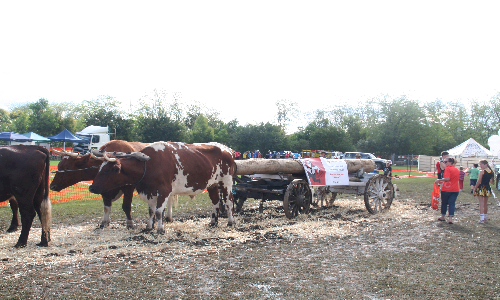
Cattleman Cattle Cart Hauling
20 Cattle Cart Team :)
20 Cattle Cart Team 🙂
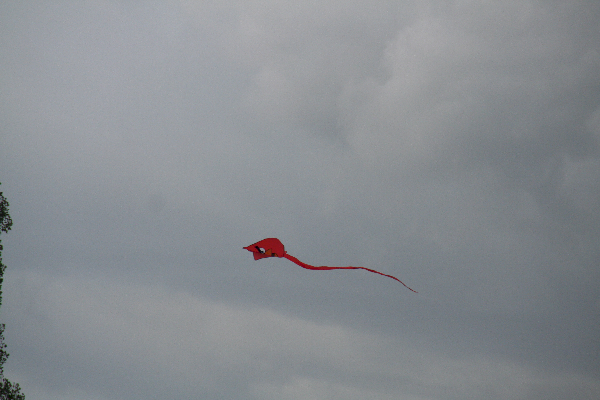
Kite Flying And there were several balloons lost to the clouds.
Kite flying and there were several balloons lost to the clouds.
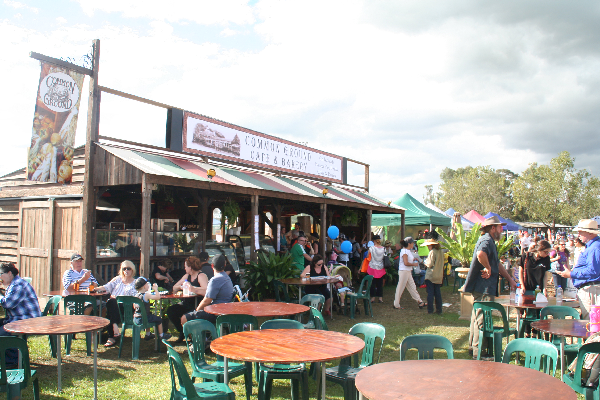
Large Christian Commune eatery.


The Common Ground is a totally self-supported and self-sufficient Christian Commune. The support themselves by places like these eateries. We ate in one in Picton Australia where I recorded the Bell Birds. see: Bell Birds here

They make their own clothing and grow their own organic food, some of which they use in their restaurants. Their food is excellent! I believe they have a sister cafe in Ithaca, NY in the United States.

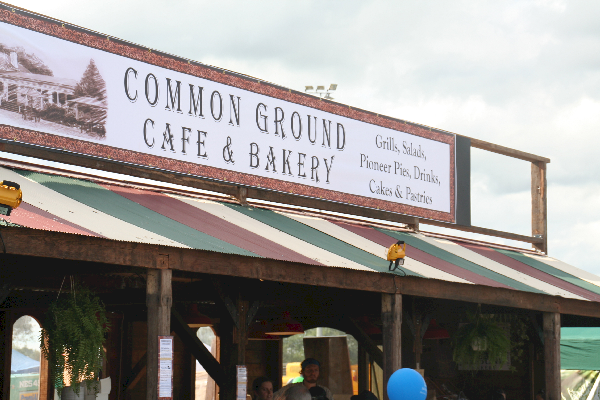
Common Ground
Common Ground


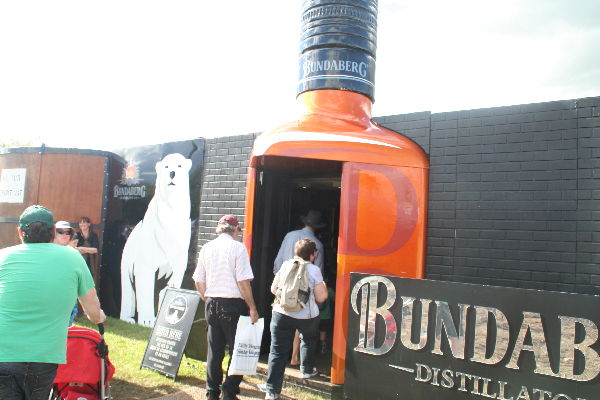
Bundab Distillery Display
Bundaberg Distillery Display

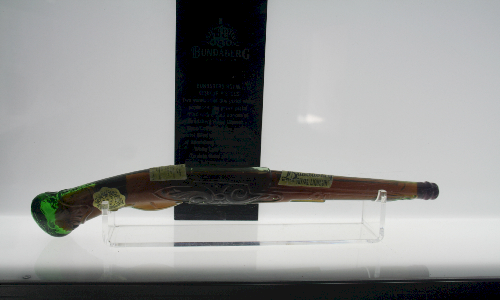
This was an interesting and miniature museum. It was filled with history of the company which is a major producer of rum in Australia. Various shapes of bottles were on display as well as the process involved in how rum is made from raw cane sugar. We even got to taste samples of the molasses. The next picture is of a bottle of rum made to look like one of those pirate movie pistols.

Rum Pistol
Rum Pistol
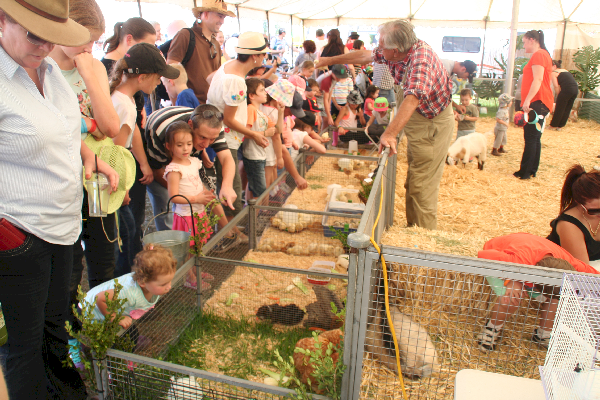
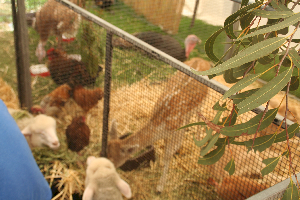
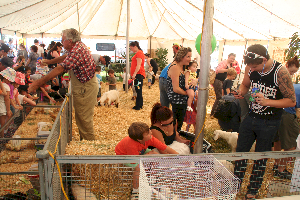
Petting Zoo for the kids. OK, kids younger than me. :)
Petting Zoo for the kids. OK, kids younger than me. 🙂


Soft & Fluffy Feely Touchy Thingies


Touchy Feely For Kids of Every Age


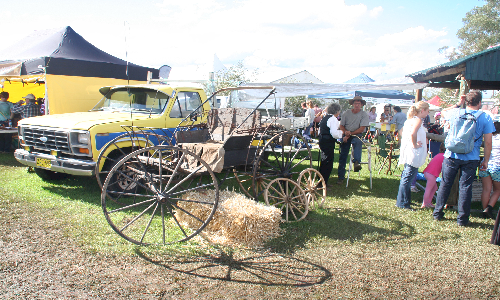
Old Carriage and a Wheel Maker


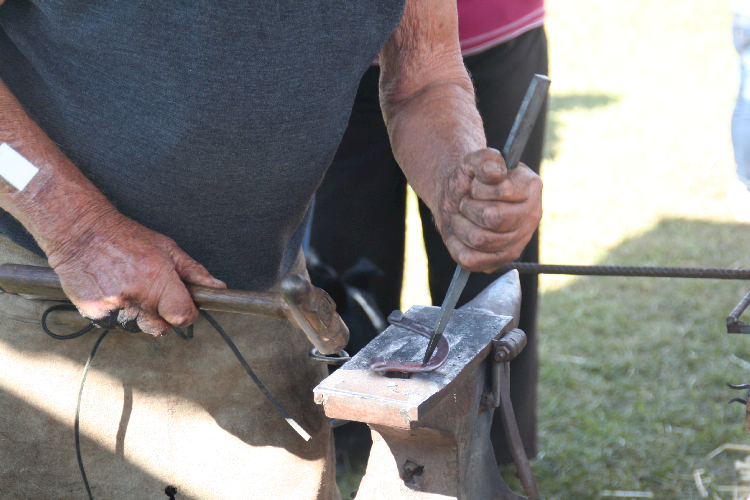
Blacksmith making horseshoes


All kinds of...
All kinds of…


...Rides!
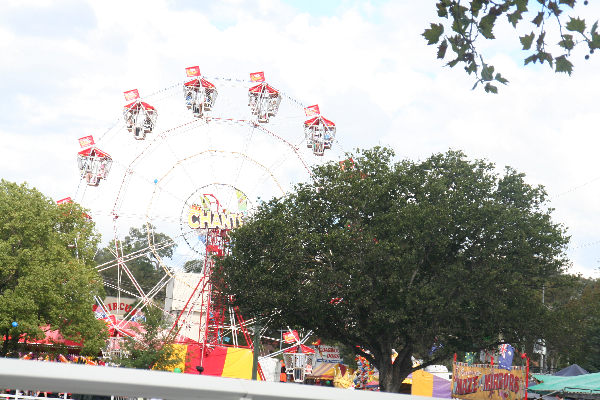
…Rides!


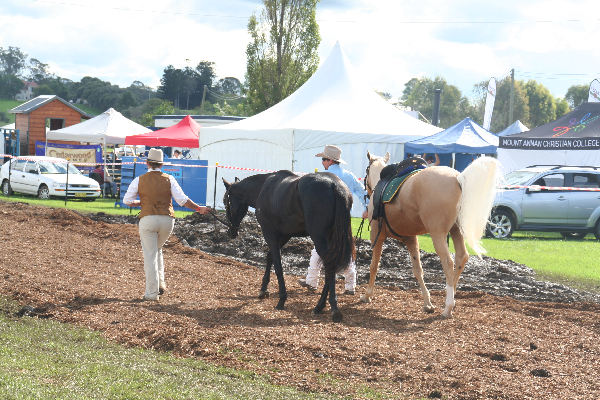
Beautiful Horses and...
Beautiful Horses and…
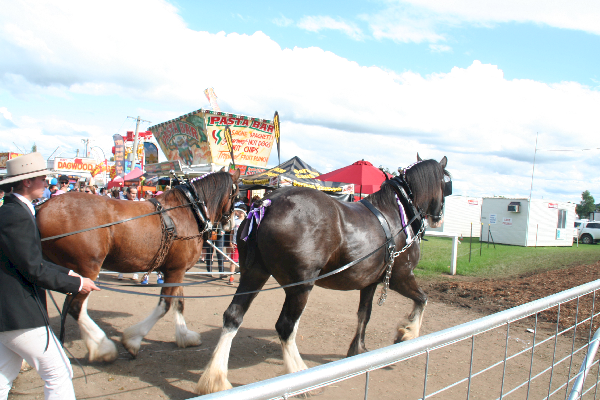
...Clydesdale Horses too!
…Clydesdale Horses too!


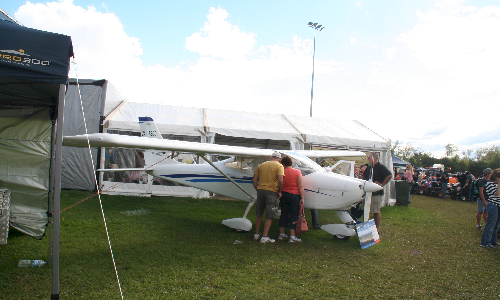
Airplane displays and rides.
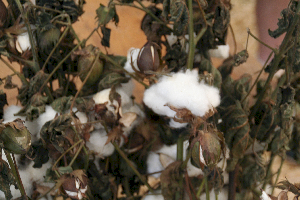
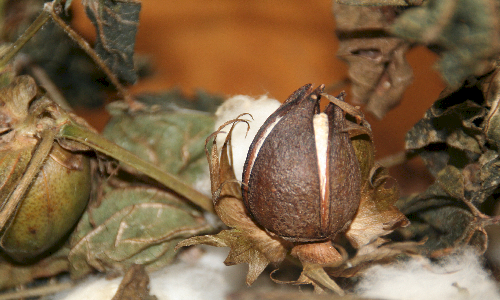
Cotton & Wool Displays


A Real Cotton Ball
A Real Cotton Ball


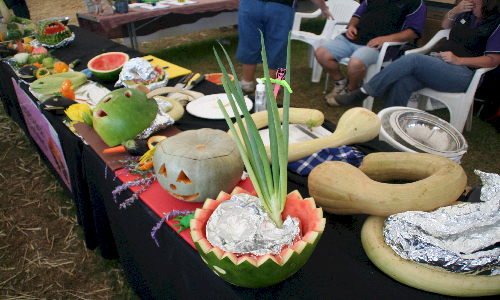
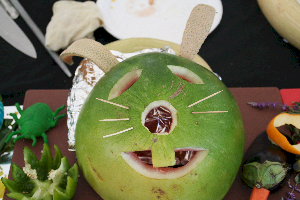
Edible Art for Kids
Edible Art for Kids
More Edible Art
More Edible Art
A Bloomin' Onion
A Bloomin’ Onion
A Beautiful Swan Fit For Feasting

There was something for everyone at the Camden Show! So many different kinds of food, animals, shows, rides, demonstrations and people of all ages having fun. It rained both days and was not perhaps the greatest for the vendors pocketbooks, but it was a wonderful experience. They even put down straw and other materials so people did not have to walk through the mud. That’s was real nice and something I have never seen in the United States at any of the fairs I have ever been to. And the children were all so engaged, curious and their excitement was well contained, controlled and managed. People were all, for the most part, nice, friendly and well behaved. No alcohol was allowed except for the two wineries that gave samples. All in all it was a wonderful time. I was like a young child again. I would have loved every minute of both days, rain and all, but glad for the time I had. It was all eye candy for me. My camera was not unhappy either. 🙂

After we left the tent where we ducked under after the downpour of rain had stopped, we had to take the ardent and difficult task of getting home. WE HAD TO WALK LESS THAN SIX MINUTES TO GET HOME!!! 🙂 Around 9:00 PM, we watched the fireworks from the middle of our street. That was perhaps the closest and best view of fireworks I have ever had. And it was produced by a world class and world renown top pyrotechnical company, F0ti International, based in Australia.

http://fotifireworks.com.au

Then two of us walked back to the carnival at night and watched the wild Brunby run. The Running of the Brunby are wild ponies in Australia, similar to the Mustangs of the southwest in the United States. So I will conclude this post with a small Youtube video I made and uploaded.

Final Night of the 2014 Camden Show

http://www.camdenshow.com

On: Bell Birds

by Donnie Hayden

© 2014, all rights reserved

I only thought we were in the country until we actually went into the country. It was a nice ride from Camden to Picton,  New South Wales, Australia about 16 miles. We saw rolling hills and cows and sheep much like anyplace I have ever seen. If not for driving on the right side of the car and on the left side of the road, it all looked similar to anything I’ve ever seen. On occasion there would be a sign that read, “Stay in line unless overtaking,” meaning the center lane was for passing ONLY. Somehow, before we leave, I will snap a picture  of the road sign for Kangaroo Crossing. But again, everything seemed quite the same. WOW, was I about to be surprised!

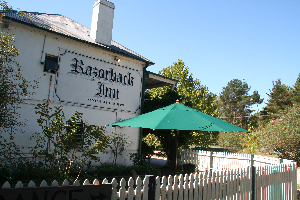
Our destination was the Razorback Inn, a quaint out-of-the-way place to eat that was established in 1849.

The Razorback Inn
The Razorback Inn
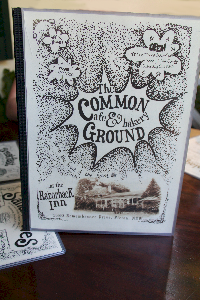
Menu from 'Common Gound'
Menu from ‘Common Gound’

The eatery is now run by a Christian Commune called, ‘Common Ground.’ They make their own clothes, live in the area, and run the restaurant including making all the food from scratch and natural and wholesome ingredients. A s delicious as the food was and as charming as the place was, this was not the most memorable experience, of this experience to me. It was in fact, the Bell Birds. Yes, that is what you read, what I wrote and what was meant! And as the name implies, the birds have some association with bells because, however they make this sound, they sound exactly like bells!!!!!!
The Bell Bird or the Bell Miner (Manorina melanophrys), commonly known as the Bellbird, is a colonial honeyeater found in southeastern Australia. The common name refers to their bell-like call. “Miner” is an old alternative spelling of the word “myna” and is shared with other members of the genus Manerina. The birds feed almost exclusively on the dome-like coverings of certain psyllid bugs, referred to as “bell lerps,” that feed on ucalyptus sap from the leaves. The “bell lerps” make these domes from their own honeydew secretions in order to protect themselves from predators and the environment.

Bell miners live in large, complex social groups. Within each group there are subgroups consisting of several breeding pairs, but also including a number of birds who are not currently breeding. The non-breeders help in providing food for the young in all the nests in the subgroup,  even though they are not necessarily closely related to them. The birds defend their colony area communally aggressively, excluding most other passerine species. They do this in order to protect their territory from other insect-eating birds that would eat the bell lerps on which they feed. Whenever the local forests die back due to increased lerp psyllid infestations, bell miners undergo a population boom.

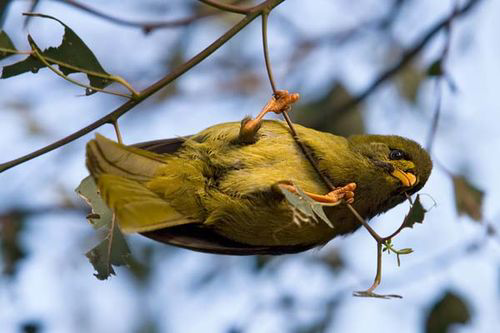
The sound is beautiful and quite enchanting. It is difficult to believe that you are hearing  these sounds and that they are made by birds. Adding to this difficulty is their size. They are so small and so fast, it is almost next to impossible to see them in the trees and capture them with a camera. The following pictures of the Bellbird are not mine. I was able to capture their unimaginable and unbelievable sound, but I found a wonderful video on Youtube, so I will use this to share with you.

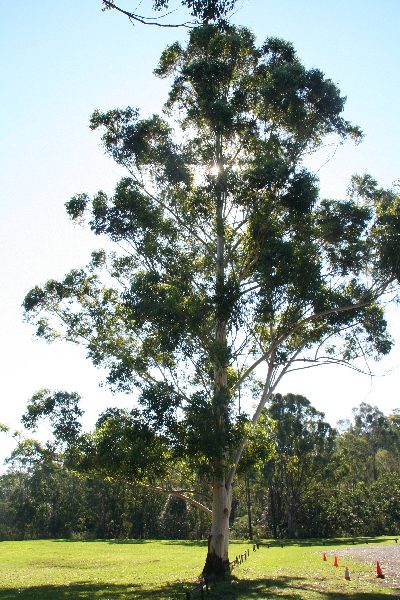
Gum Tree (a species of eucalyptus) where the Bellbirds feed
Gum Tree (a species of eucalyptus) where the Bellbirds love to feed


Leaf size Bell Bird
Leaf size Bellbird


Blog at WordPress.com.

Up ↑