On: Sake

Sake or saké (“sah-keh”) is an alcoholic beverage of Japanese origin that is made from fermented rice. Sake is sometimes called “rice wine” but the brewing process is more akin to beer, converting starch to sugar for the fermentation process, by using Aspergillus oryzae.

In the Japanese language, the word “sake” (酒, “liquor”, also pronounced shu) generally refers to any alcoholic drink, while the beverage called “sake” in English is usually termed nihonshu (日本酒, “Japanese liquor”). Under Japanese liquor laws, sake is labelled with the word “seishu” (清酒, “clear liquor”), a synonym less commonly used colloquially.

Sake averages between 11-16% alcohol content.

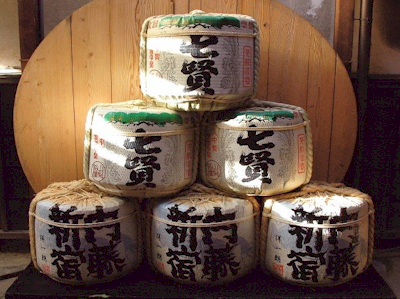
First you start with the rice. Rice is grown all over the country, but some are better producers due to climate, purity of water and other important considerations. The same is said of of Sake rice, some areas just produce better sake rice rice for the “:clear liquid” than others. The rice is hand harvested and placed into the familiar rice bales. The bales are both artistic and informative that they are inbound to the brewers and that it will become some specific crafted sake. But the quality of the sake is only as good as the master that brews it and only as good as the rice from which it is made. There are many different kinds and flavors of sake.

Sake bales
Sake bales

Sake in Japan is as diverse, particular and is as highly opinionated as any other wine made throughout the world. Those that enjoy it swear their favorite is the best in all of Japan.We shared some with our friend Yukari’s parents in Nara. Last night we shared some with Yukari and her husband some ‘holy’ sake that was blessed and presented to her at the dedication of their daughter. The sake from Nara had a clean dry taste. The ‘holy sake’ seemed to have a smoky taste as if absorbing smoke from burning incense, a common practice in Japan for purification.

Sake may not be enjoyed by everyone and not all that do like sake, like all sake. It is has a distinct taste and perhaps one that must be acquired over time. But it gives one a ‘warm glow’ and for lack of a better description, when the alcohol sets in, it just leads me personally, to a very happy place. Like clinking glasses of wine, beer and other drinks we may say “Cheers.” In Japan, the word used is often, kampai (pronounced com + pie).

“乾杯” (kanpai), lit. “Dry the glass”, similar to “bottoms up” in English). 🙂

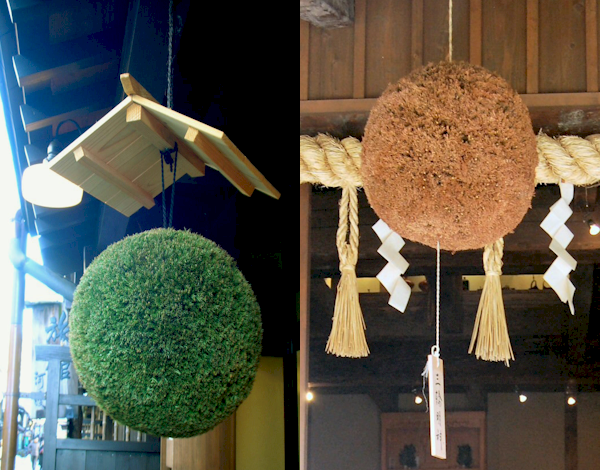
Once the sake is ready, if it is really good or a particularly a good year, well then, it is important to let people know. The exceptional sake is advertised by what may look like to all the world as fuzzy, brownish-green disco-balls. These are formed with cedar needles — also known as sugidama (literally, “cedar balls”). They can be found hanging above the entrance to shops, bars, taverns, and a fine izakaya (small local establishment for food and drink) that specialize in quality sake. These time-honored symbols of fine sake make no promises about the caliber of the food where the sake is sold. But my experience has shown us that wherever premium drink is sold,  you are likely to find food of similar quality.

Cedar Balls
Cedar Balls

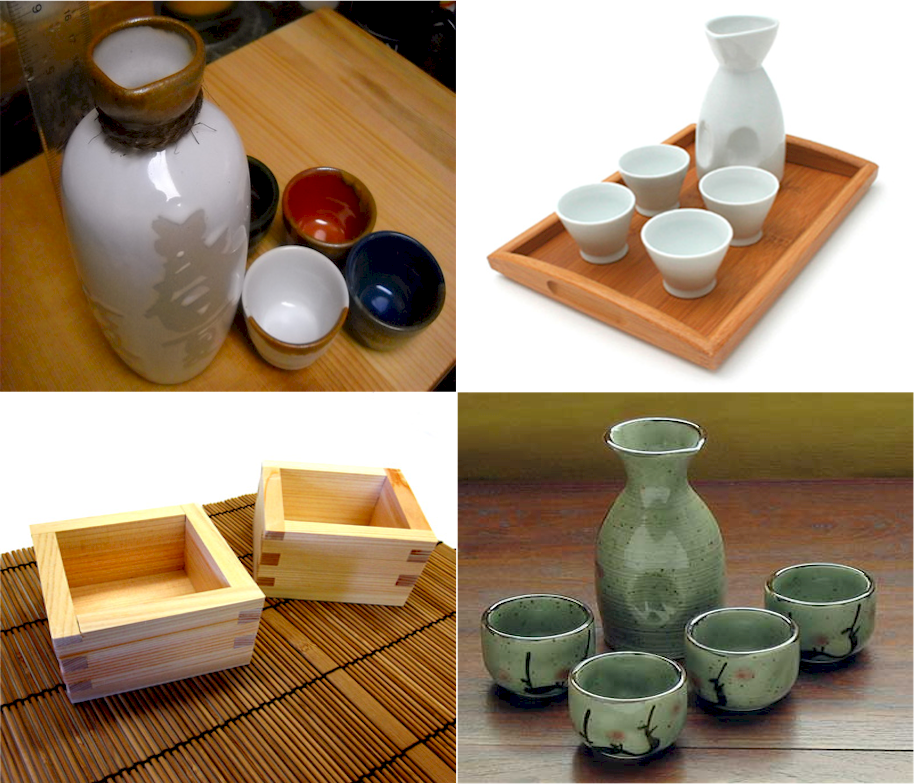
 Before serving sake, you must first have some things to serve from and in. Sake servers and cups can range from simple, colorful, elaborate,ver expensive and relatively inexpensive.

Many types of Sake servers and cups

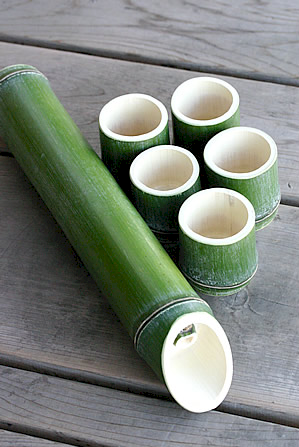
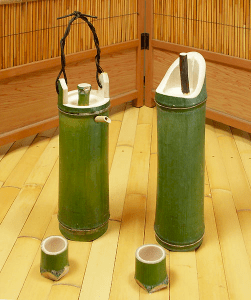
Materials can be glass, ceramic, metal, plastic and my favorite, bamboo.

SakePitcherCups

It is doubtful that many or any Japanese would use bamboo pitcher or cups. These are probably marketed to tourists and westerners. We had a very nice dinner at a specialized restaurant that featured so many delicious ways (tastes and textures) of bean curd. This same restaurant served our sake in green bamboo cups from a bamboo pitcher. I love the natural look and traditional or not, we are on a search to bring back to the USA, something that looks like the following.

SakePitcherCups2
Sake Pitcher & Cups II

On: Desserts in Japan

by Donnie Hayden © 2014, all rights reserved

Desserts in Japan are not only delicious and beautifully sculpted, it is their garnishment that not only appeal to the senses, but actually help aide in digestion.

There are many sweet-eats in Japan to be enjoyed and savored, here is just a few of my favorites.

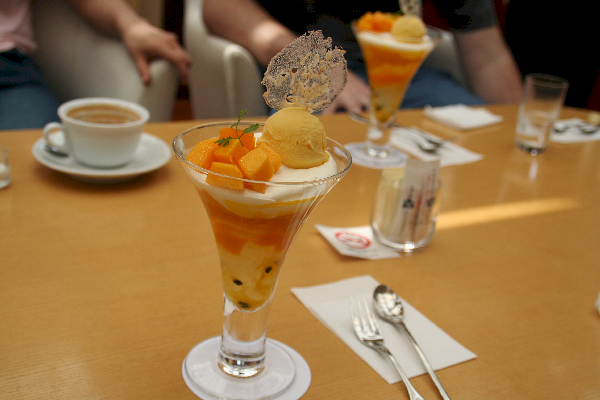
mango parfait
mango parfait

Do you notice the the strange thing sticking out of the mango parfait? It is actually a thin piece of spun sugar! 🙂

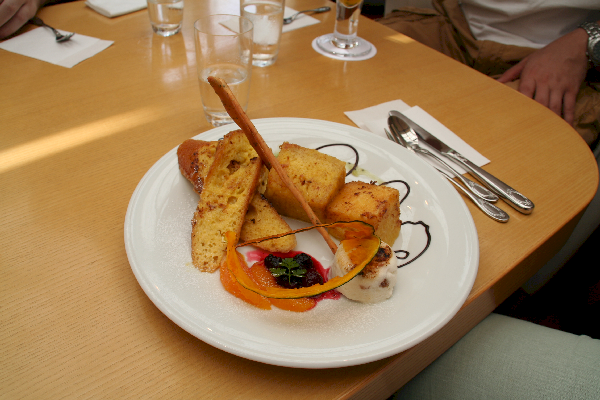
some kind of beautiful, some kind of yum
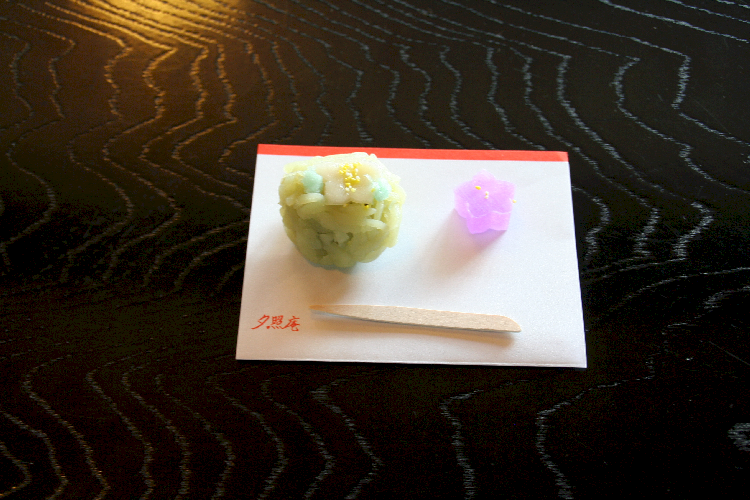
sweet delights served during a Japanese 'Tea Ceremony'
sweet delights served during a Japanese ‘Tea Ceremony’

On: Octopus Balls

by Donnie Hayden © 2914, all rights reserved

Well, this title might seem a bit strange, but this is exactly what these delicious treats would be called in English, Octopus balls. 🙂

In Japan, they are called, Takoyaki (pronounced taco + yah-key).

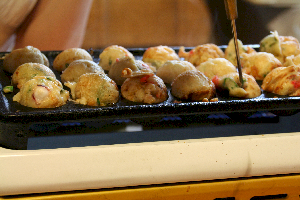
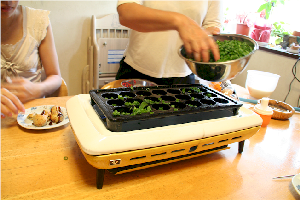
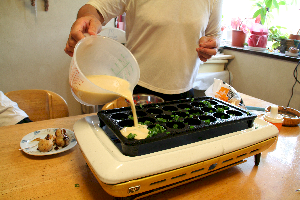
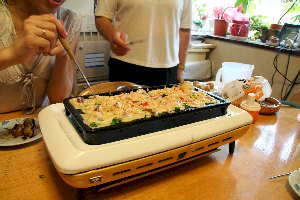
Takoyaki (たこ焼き or 蛸焼 is a ball-shaped Japanese snack made of a wheat flour-based batter (like tempura). It is cooked in a special  takoyaki pan, that resembles a muffin tin.  Ours can be placed directly over flame or as most Japanese homes like the pictures show below, they are table top, propane units.

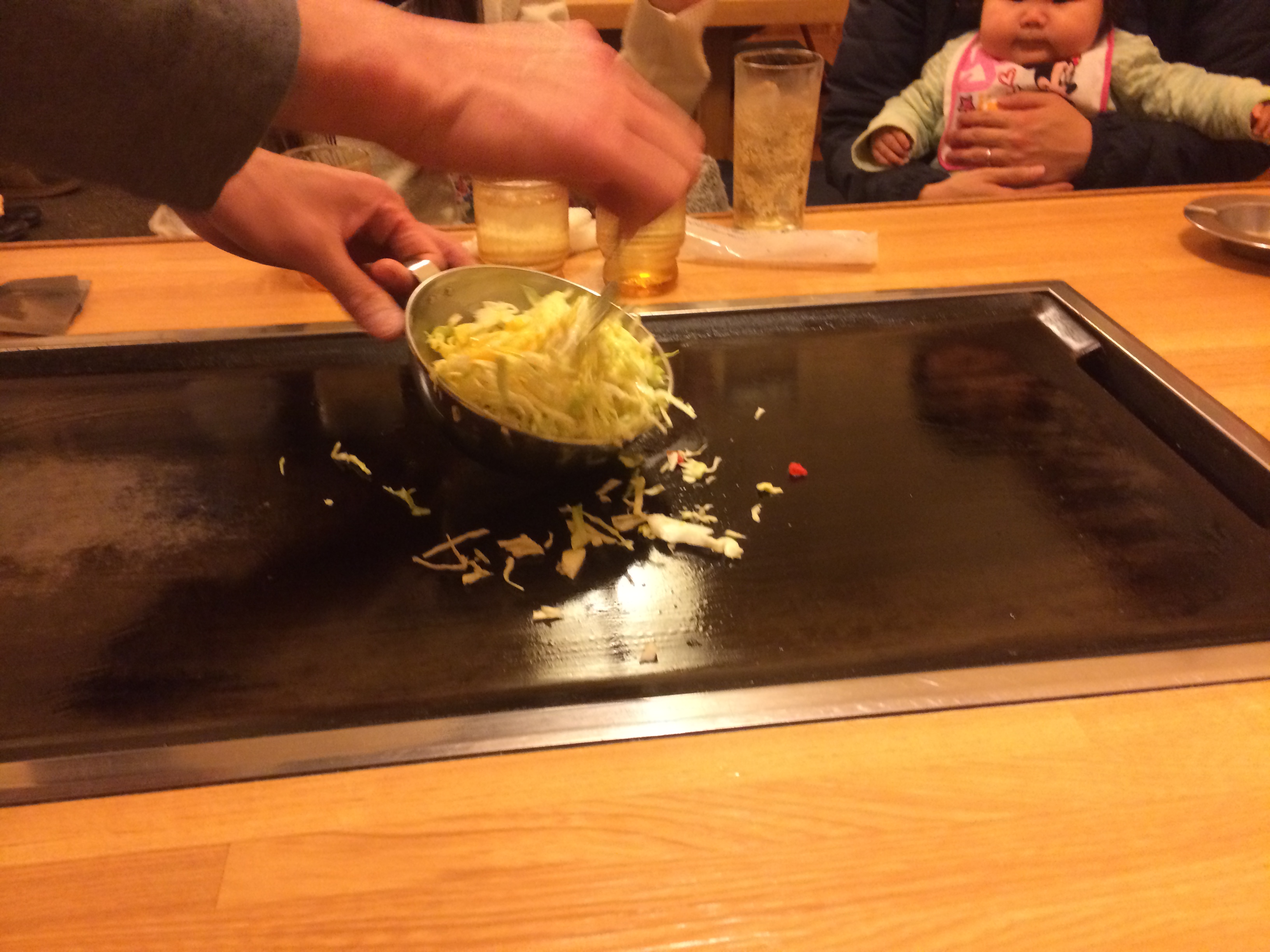
Takoyaki pan, heating and filling with negi (green onion)

Takoyaki  is typically filled with minced or diced octopus tako, tempura scraps tenkasunegi (chopped Japenese green onion), pickled ginger, and sprinkled with green laver aonori (a type of seaweed) and shavings of dried bonito katsuobuschi (fish flakes).

filling with the batter

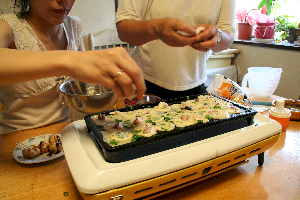
 Once filled and as the batter cooks, the takoyaki is constantly prodded with a stick like a long metal toothpick and turned. This shapes the treat into balls while cooking. And once they are cooked on all sides, to a lovely golden brown, they are done and ready to eat, almost. 🙂

filling with pickled ginger

The Takoyaki are then brushed with takoyaki sauce, similar to Worcestershire sauce or soy sauce in color. There are many recipes for the takoyaki and variations for the sauce such as:

ponzu (soy sauce with dashi (a clear broth like used in meso soup) and citrus vinegar
goma-dare (sesame-and-vinegar sauce)
vinegared dashi.
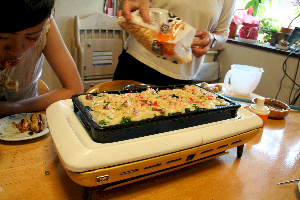
adding the fish flakes and etc.

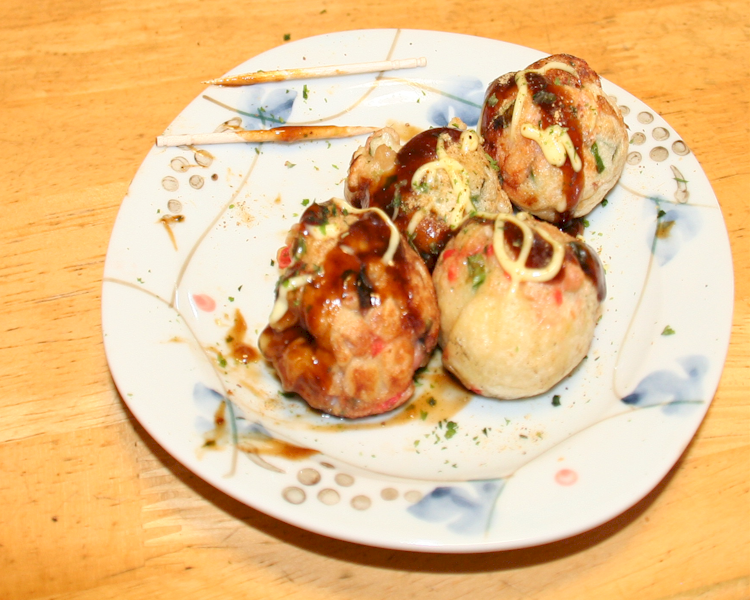
The final step is to squeeze some mayonnaise on top from a tipped-bottle like a ketchup or mustard squeeze bottle. I’m not exactly sure what makes Japanese mayonnaise different from that in our country (USA), but it is; it’s delicious and I love it! And Takoyaki? OMG, these are incredible!!! Eat with a a pointed stick (see last picture below). Each one is about a mouthful.

prodding and turning while cooking

Takoyaki was first popularized in Osaka Japan when a street vendor named Tomekichi Endo, first introduced his culinary delight in 1935. Takoyaki was inspired by akashiyaki, a small round dumpling from the city of Akashi in Hyōgo Prefecture, made of an egg-rich batter and octopus.

almost ready
almost ready

Today, Takoyaki is sold almost everywhere in Japan. They are very popular with children, young people and older people alike. And this is not only the Japanese, but many people love Takoyaki! It is not uncommon to see long lines of people, especially during festivals, waiting to be served their Takoyaki. They are sold in restaurants, on the street, super markets, 24 hour convenience stores and probably, even in vending machines.

I know, tako sounds like taco, but take care in using the sound as it may be Japanese slang for stupid? Tako means octopus. If you ask for tako, you might get an angry ‘look,’ some octopus salad Takosu タコス, or Taco rice (タコライス takoraisu. Taco rice is similar to a taco, only it is served on a plate without the shell. Now you might be able to actually find some Japanese tacos, but the shells are made out of rice flour and not corn. Just ask for Takoyaki (octopus balls) and you’ll be fine and happy that you did! 🙂

Takoyaki
Takoyaki

Blog at WordPress.com.

Up ↑